
Web hajichi is the okinawan word for cultural tattoos of the ryuukyuu/ruuchuu islands (now known as okinawa prefecture in japan due to colonization). Now a tattoo artist is. Web more than 120 years ago, the custom of hajichi, a deep blue pattern tattooed on the back of women’s hands in okinawa and the ryukyu islands, was. It signified the maturing of a woman, tattooed their hands at rituals. Web the practice was banned by japanese authorities after the country annexed the islands in 1879.
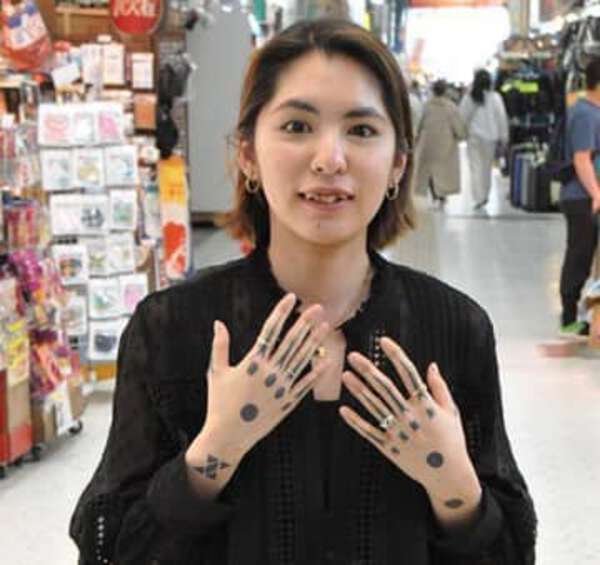
These tattoos, once worn by the women of the indigenous ryukyuan people of okinawa, were once banned. Web shinoutattoo specialises in japanese traditional tattoos done by machine and tebori. But now moeko heshiki, a tattoo artist who is among the dwindling. Web moeko heshiki is no ordinary tattoo artist: Web hajichi, a tattoo with a deep blue pattern on the back of a woman's hand, is said to have disappeared after it was banned by the meiji government.
These tattoos, once worn by the women of the indigenous ryukyuan people of okinawa, were once banned. Web certain colors exude certain meaning: The banned traditional tattoos of okinawa. White represents class, yellow represents grace. A sign of pride of womanhood.
【En】Revival of “Hajichi”, an Okinawan Tribal Tatto with Her Own Hands
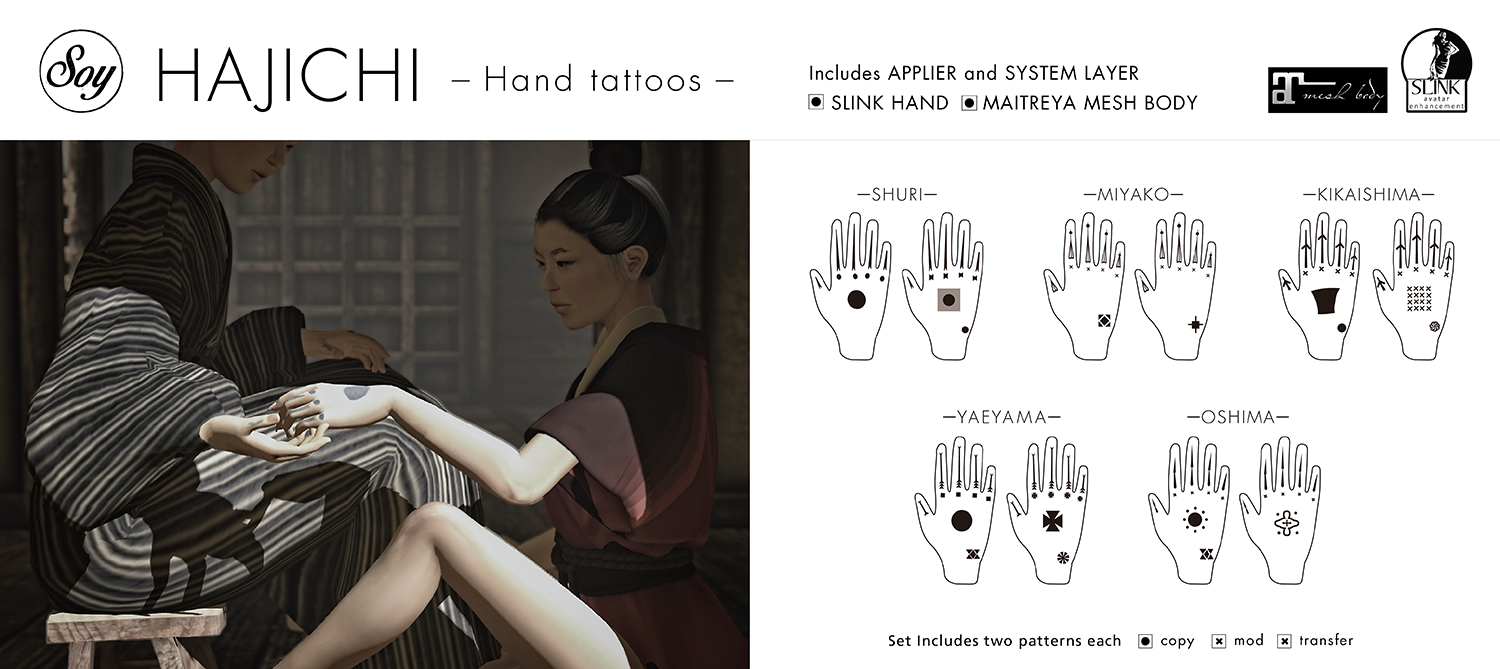
Soy HAJICHI [hand tattoos] for Kustom9 Soy
Hajichi The Powerful Female Tattooing Tradition of the Ryukyus

The Historical Relationship Between Okinawan Hajichi Tattoos and the
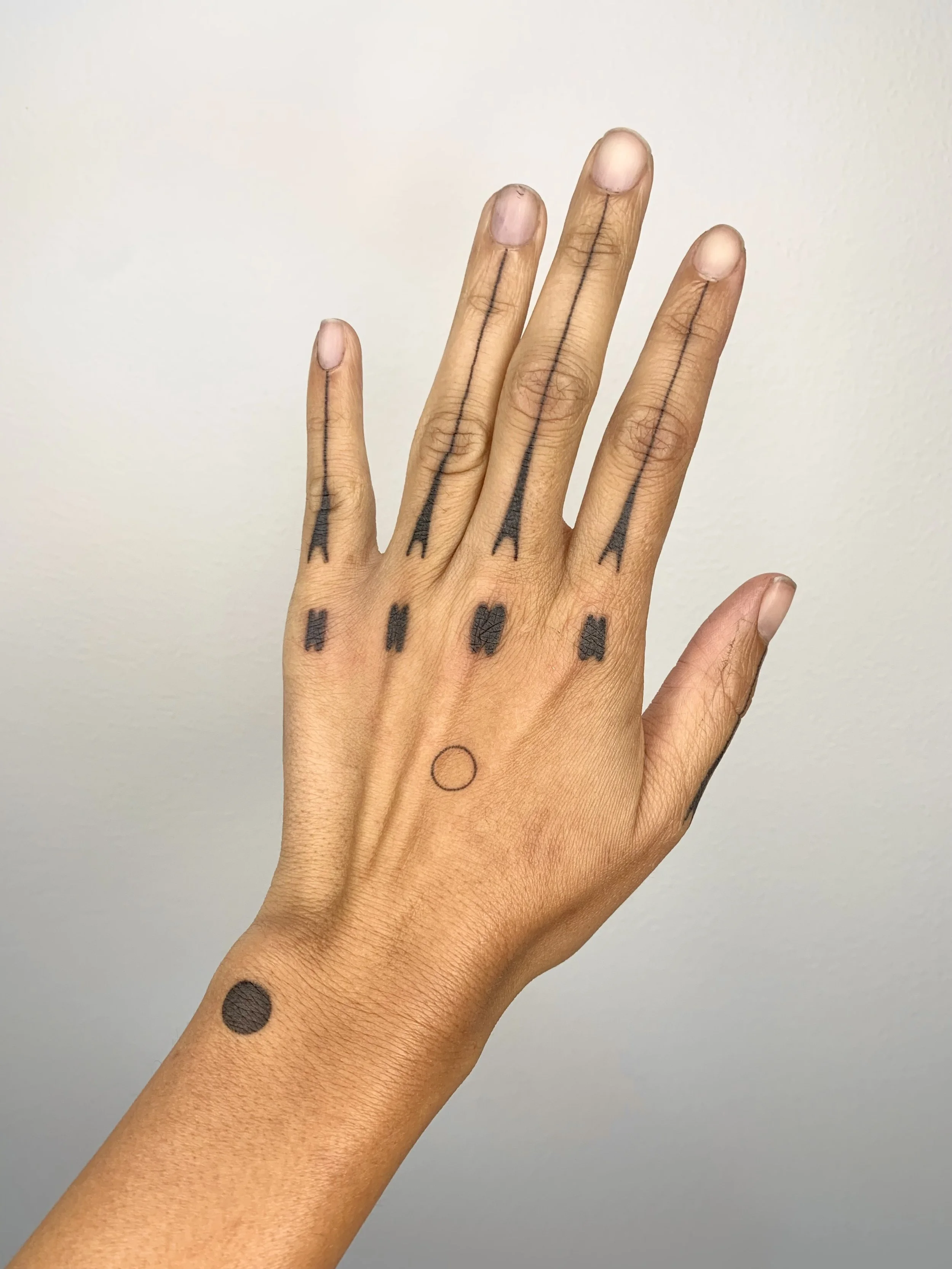
hajichi — chiruu tattuu
Preserving heritage Indigenous/traditional tattoo (Hajichi) in Okinawa

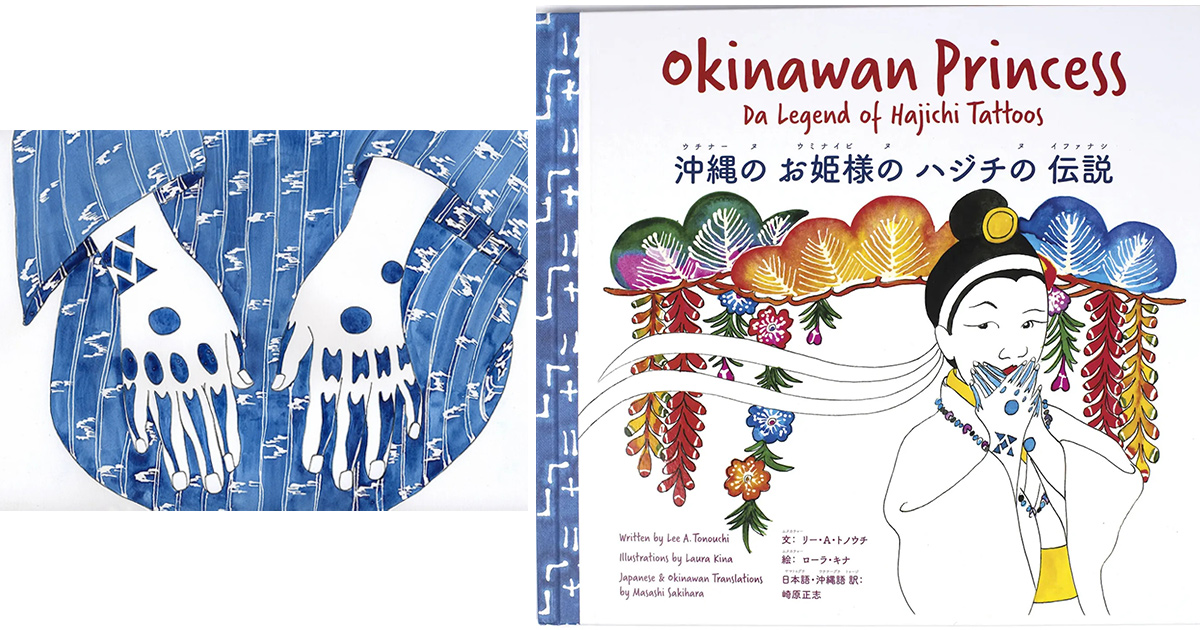
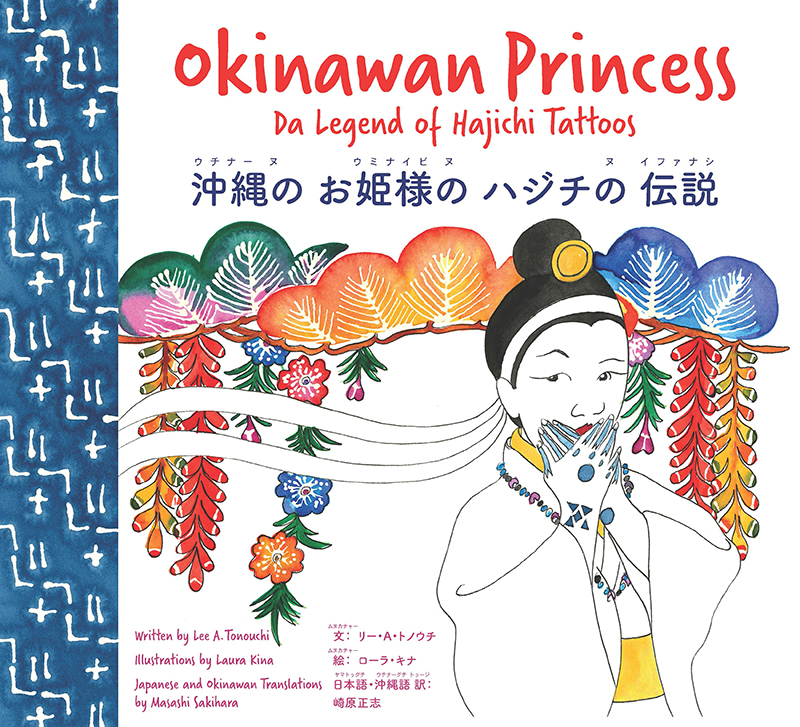
3Arts Okinawan Princess Da Legend of Hajichi Tattoos
The Secret History of Okinawan Tattoos FIRST & CENTRAL The JANM Blog

Hajichi The Powerful Female Tattooing Tradition of the Ryukyus

Unseen Japan on Twitter "For long centuries, the women of the

Web the tattoos, known as hajichi, went from a source of admiration to a magnet for social exclusion following an 1899 ban of tattoos by the japanese government. Web shinoutattoo specialises in japanese traditional tattoos done by machine and tebori. The artists have agreed to draw these at a discounted. Spelled “needle thrust” in japanese, hajichi carves designs in ink by pricking with bundled needles. White represents class, yellow represents grace. Every shape and every color has meaning behind it, making it a great tattoo style if you want ink that’s. Now a tattoo artist is. Web hajichi is the okinawan word for cultural tattoos of the ryuukyuu/ruuchuu islands (now known as okinawa prefecture in japan due to colonization). Adding color to a japanese tattoo lends itself to having more meaning behind a very. Web hajichi, a tattoo with a deep blue pattern on the back of a woman's hand, is said to have disappeared after it was banned by the meiji government. Web moeko heshiki is no ordinary tattoo artist: Web more than 120 years ago, the custom of hajichi, a deep blue pattern tattooed on the back of women’s hands in okinawa and the ryukyu islands, was. These tattoos, once worn by the women of the indigenous ryukyuan people of okinawa, were once banned. Web demure geishas and devious masks seen throughout japanese history. But now moeko heshiki, a tattoo artist who is among the dwindling.
These Tattoos, Once Worn By The Women Of The Indigenous Ryukyuan People Of Okinawa, Were Once Banned.
A sign of pride of womanhood. White represents class, yellow represents grace. Web the tattoos, known as hajichi, went from a source of admiration to a magnet for social exclusion following an 1899 ban of tattoos by the japanese government. The banned traditional tattoos of okinawa.
It Signified The Maturing Of A Woman, Tattooed Their Hands At Rituals.
Web more than 120 years ago, the custom of hajichi, a deep blue pattern tattooed on the back of women’s hands in okinawa and the ryukyu islands, was. But now moeko heshiki, a tattoo artist who is among the dwindling. Now a tattoo artist is. The artists have agreed to draw these at a discounted.
Web Hajichi Is The Okinawan Word For Cultural Tattoos Of The Ryuukyuu/Ruuchuu Islands (Now Known As Okinawa Prefecture In Japan Due To Colonization).
Adding color to a japanese tattoo lends itself to having more meaning behind a very. Spelled “needle thrust” in japanese, hajichi carves designs in ink by pricking with bundled needles. Every shape and every color has meaning behind it, making it a great tattoo style if you want ink that’s. Web hajichi, a tattoo with a deep blue pattern on the back of a woman's hand, is said to have disappeared after it was banned by the meiji government.
Web The Practice Was Banned By Japanese Authorities After The Country Annexed The Islands In 1879.
Web moeko heshiki is no ordinary tattoo artist: Web shinoutattoo specialises in japanese traditional tattoos done by machine and tebori. Web demure geishas and devious masks seen throughout japanese history. Web certain colors exude certain meaning: